Does Home Insurance Cover Water Damage?
Social Media
Home
 • 11 min read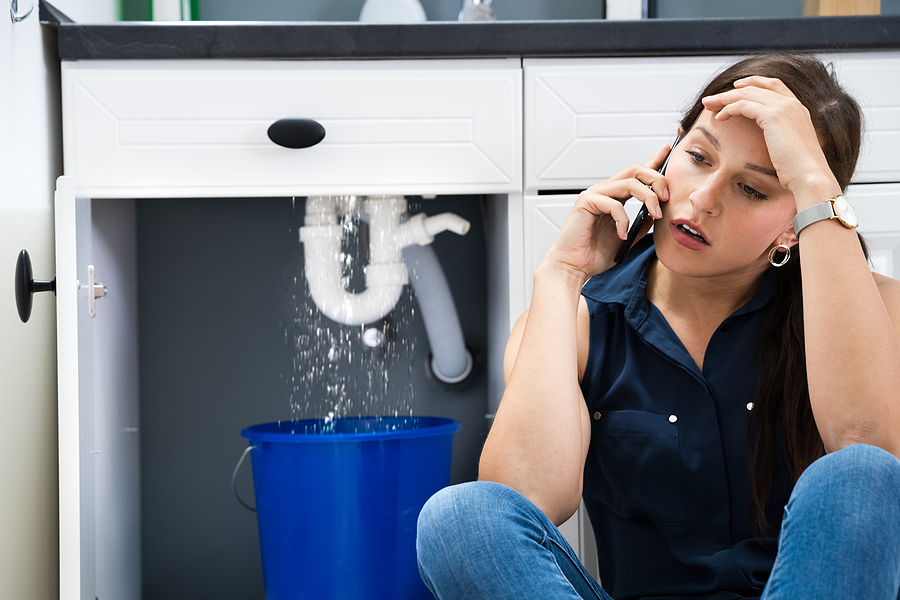
 Sean A. Ruggiero

 • 11 min read
 Each year, more homeowners file insurance claims for water damage than for property damage caused by theft, or fire and lightning, according to the Insurance Information Institute.
Water damage can destroy your personal property, harm the structural integrity of your home, and set you back thousands of dollars if you’re not insured properly. That’s why it’s important you understand how standard homeowners policies handle damages caused by water.
Yes, homeowners insurance plans typically cover water damage. However, it’s vital that you understand how insurers define the term “water damage.”
Most standard home insurance plans provide coverage for water damage and freezing that’s considered “sudden and accidental,” such as a burst pipe or overflowing toilet. If water damage occurs as a result of another covered event (or peril), such as vandalism, your home insurance policy will likely cover you as well. Mold may also be covered as long as it resulted from the covered event.
Keep in mind: Home insurance doesn’t cover water damage from all-natural disasters or unfortunate occurrences. For example, water damage from flooding isn’t covered under a standard homeowners policy; you’ll need to purchase a separate flood insurance policy to protect your home. And, if the water damage results from negligence — for example, you knew a pipe was leaking and didn’t repair it promptly — your insurance likely won’t cover it.
Standard home insurance policies include different types of coverage. Your policy’s dwelling coverage, for example, will cover any water damage to the physical structure of your home. So, if an overflowing toilet causes significant damage to your bathroom cabinets and floor, the dwelling coverage portion of your policy will help cover the repair costs.
Most homeowners insurance policies will cover the same types of water damage. Here are some common examples of water damage a home insurance policy typically covers:
Pipe bursts are a common cause of property damage, especially if you live in an area where temperatures can quickly plummet and cause your pipes to freeze.
It’s important to mention that while your home insurance may cover water damage from a burst pipe, policies typically don’t cover the repair of the broken pipe itself.
Unlike sewer backups, routine toilet overflows occur when the backup is caused by items getting stuck while going into the toilet. This is considered accidental water damage and should be covered by most policies.
Washing machine hoses, sinks, dishwashers, and other appliances may leak unexpectedly. These accidental, sudden leaks are often included in typical homeowners insurance coverage.
Although some water heater issues are related to untimely maintenance, sediment will always build up in the tank, which could lead to an eventual leak or rupture.
Generally, a standard homeowners insurance policy will cover areas that the water has damaged, such as walls or cabinets. Unless you’ve purchased additional coverage, many policies won’t cover the cost to repair or replace the burst pipe or leaking appliance that caused the damage.
Water damage coverage limits vary from policy to policy. For instance, your dwelling coverage limit — which covers water damage to the structure of your home — is typically the full replacement cost of your home. Your personal property coverage limit is usually 50% to 70% of your dwelling coverage limit and will help reimburse you for any personal property, like furniture or clothing, that’s damaged by water.
Keep in mind: Your homeowner's insurance policy likely has a deductible — an amount you must pay out of pocket before your insurance begins to pay for a covered event.
Certain types of water damage are excluded from coverage, including:
Insurance providers handle water damage claims and flood damage claims differently, depending on how the water enters your home:
For instance, although a burst pipe may “flood” your basement, it wasn’t caused by a natural disaster like a flash flood or river overflowing, so it wouldn’t be covered by flood insurance. Instead, it would be classified as water damage under your homeowner's insurance.
Your homeowner's policy won’t cover every type of water damage. Here are some coverages you may want to include to fully protect your home:
Whether your home has been damaged by strong rainstorms or burst pipes, you’ll want to take the following steps when filing a water damage claim with your homeowner's insurance provider:
Your insurance provider may not accept every claim you file. In the event that your water damage claim is denied, it’s essential that you know how to move forward to ensure you get the assistance you need. Here are a few things you can do:
Author: Nick Dauk
Source: © 2022 Credible
Retrieved from: credible.com
FINRA Compliance Reviewed by Red Oak: 2332471